
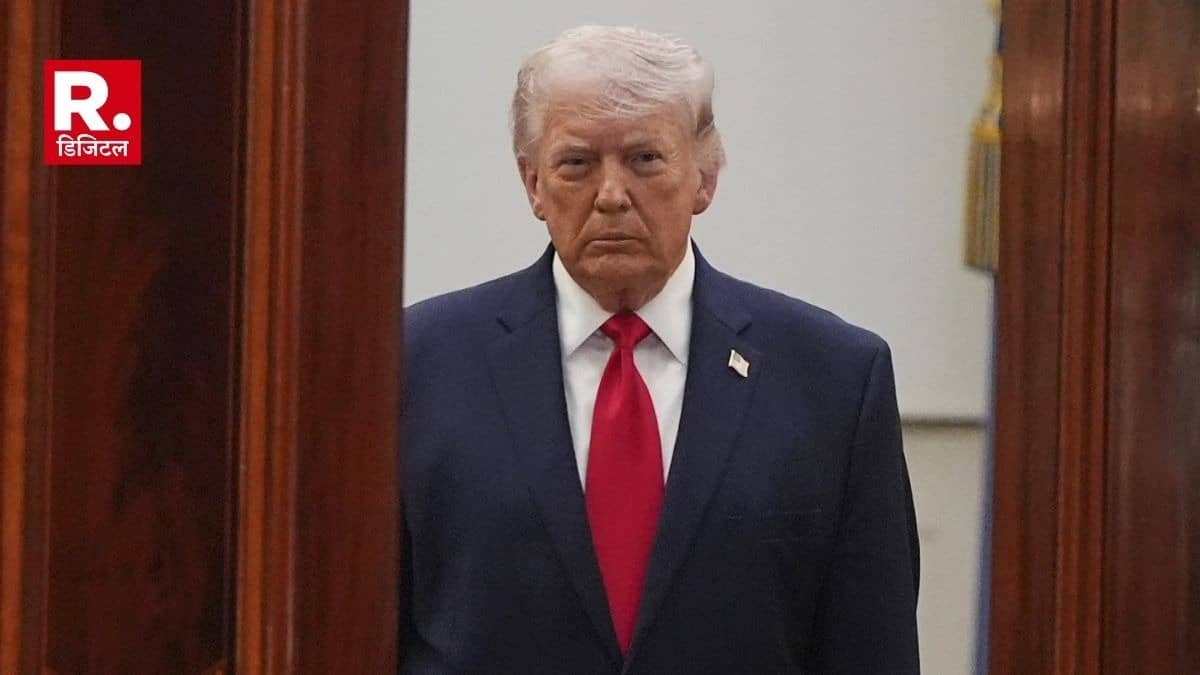
Trump Tariff War: US President Donald Trump has once again launched a ‘tariff war’ at the global level, giving edge to his ‘America First’ agenda. This time Trump has targeted the auto sector of the European Union (EU), which has created a stir in the global markets. At the same time, amidst the ongoing tension in West Asia, he has completely rejected the peace proposal sent by Iran.
Announcement of 25% tariff on European trains
President Trump made a big announcement on Friday, saying that he will increase the import duty (tariff) on cars and trucks coming to America from the European Union to 25% from next week. Trump claims that the EU is not following the terms of old trade agreements.
Let us tell you, under an agreement signed last year, the tariff on European automobiles and parts was limited to 15%, whereas for other countries it was 25%. Now Trump is going to eliminate this concession completely.
The biggest blow to this decision will be felt by Germany, which is the largest car exporter in the European Union. Recently, sharp statements were also seen between Trump and German Chancellor Friedrich Merz regarding Ukraine war and trade issues.
Iran’s peace proposal not ‘enough’
Along with the tariff war, Trump has also made his position clear on Iran’s new peace proposal. Iran recently sent a new proposal to America through Pakistan to end the war and reduce tensions.
Trump bluntly said that he is not at all satisfied with this offer from Iran. “Iran wants to compromise and is constantly trying, but their proposal is not acceptable right now,” he said.
It is clear from Trump’s statement that America is working on a strategy to put more pressure on Iran and it wants a complete deal on its own terms instead of any small agreement.
This aggressive trade policy of Trump will not only increase the problems of European auto sector companies (such as Volkswagen, BMW and Mercedes), but it may also widen the diplomatic rift between the US and the EU. According to experts, if the tariff is implemented, Europe may also retaliate by imposing duties on American products, which will have a negative impact on global inflation and supply chains.