
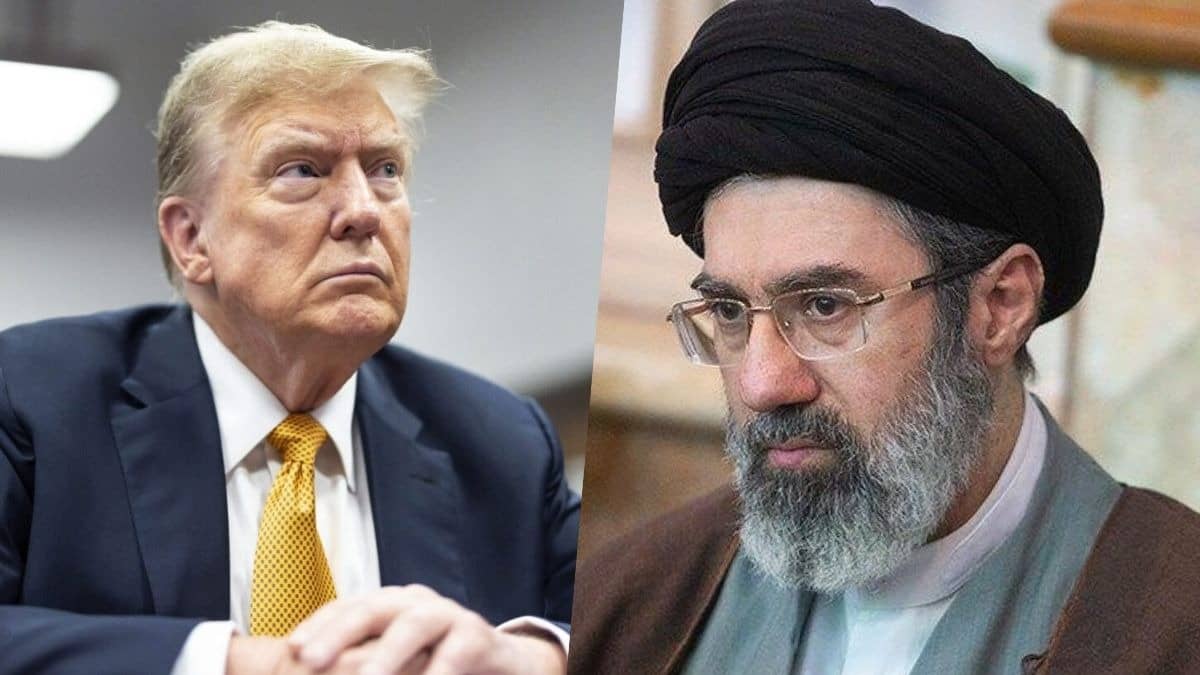
Major General Mohsen Razai, the former commander in chief of the Islamic Revolutionary Guard Corps (IRGC) and current military adviser to supreme leader Mojtaba Khamenei, has issued a stern warning to Washington. He has said that if the US tries to impose concessions during the ongoing secret peace talks, it will face a barrage of missiles and drones.
Diplomats from Washington and Tehran are exchanging a draft of a possible memorandum of understanding (MOU) to permanently end the war that began on February 28. However, Razai’s public posts made it clear that Iran has no intention of backing down from its main demands; These demands include complete control of regional sea lanes and a complete cessation of hostilities on all fronts, including Lebanon.
Tehran has consistently maintained the stance that any peace deal must include comprehensive sanctions relief and an immediate end to the active US naval blockade in the Gulf of Oman.
Kuwait International Airport heavily damaged
The quilt’s statement matches a dangerous reality that exists in the ocean. Despite a shaky ceasefire brokered by Islamabad in April, recent days have seen a violent return to open conflict; US Central Command recently disabled a merchant ship that was trying to break the blockade and reach an Iranian port.
Additionally, Iranian forces fired a drone and missile toward regional targets, causing significant damage to Kuwait International Airport and hitting the headquarters of the US Fifth Fleet based in Bahrain. In response, the US military carried out a series of precision air strikes, targeting Iranian assets near Qeshm Island and targets close to the Strait of Hormuz.
The renewed fighting and Xi’s unyielding stance have sent shockwaves through global energy markets, sending oil prices rising more than 2%. The Strait of Hormuz, which previously carried about a fifth of global oil and liquefied natural gas (LNG) shipments, remains under heavy sanctions.
Although President Donald Trump had earlier said talks were progressing “in an orderly manner”, he had also instructed US negotiators not to rush into a flawed deal.