
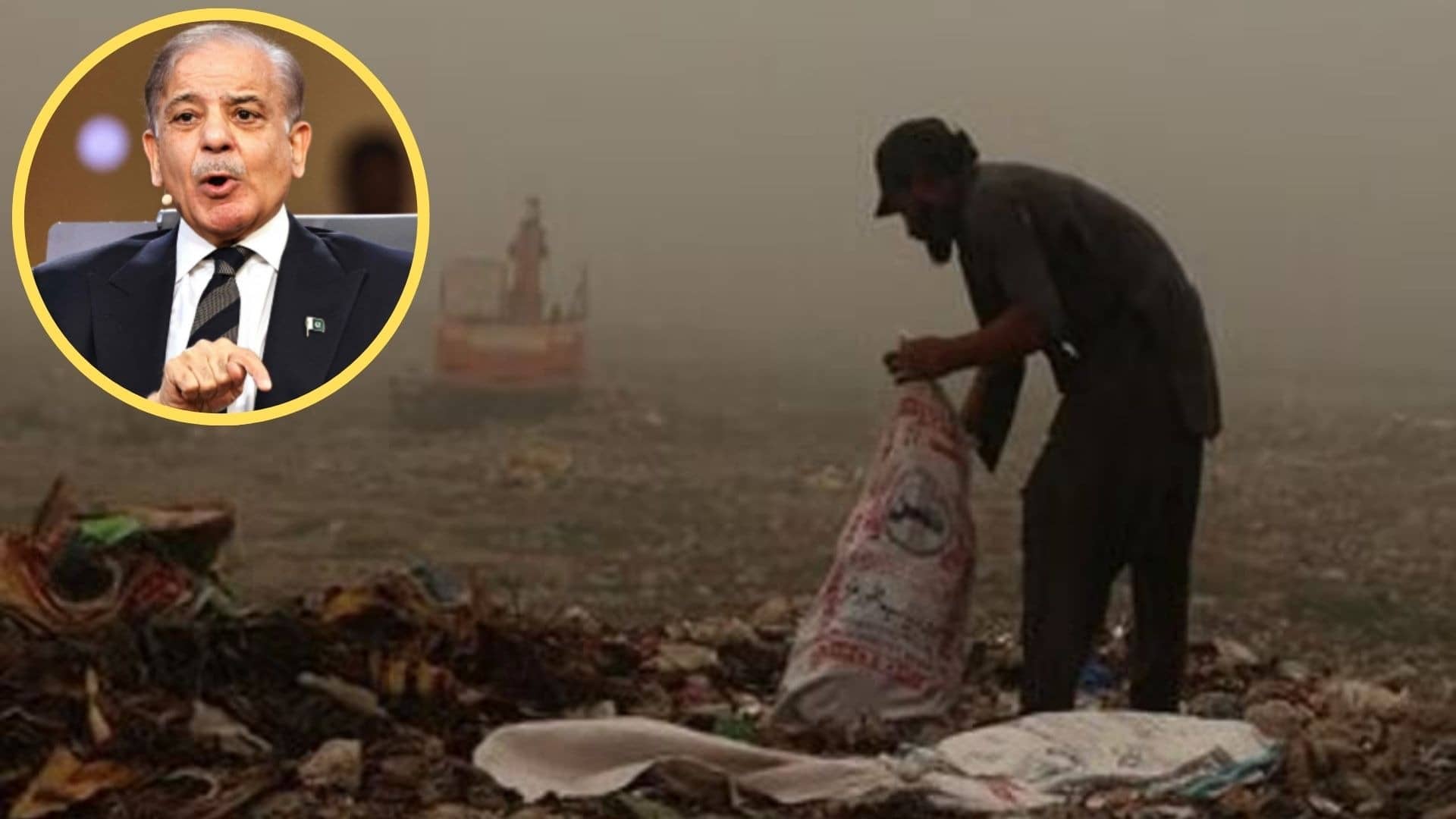
There is an atmosphere of misery in Pakistan after the three-day celebration of Bakrid (Eid ul-Azha). There is a crisis of cleanliness in Karachi, the biggest city here. In many areas of the city, animal remains and pieces of meat left after sacrifice are lying everywhere, which are rotting rapidly due to the scorching heat and humid weather and emitting a terrible smell. Local people are now hesitant in leaving their homes and it has become difficult to walk on public roads.
Official statistics and impact
Sindh Solid Waste Management Board (SSWMB) has reported that a total of more than 1,42,816 tonnes of animal remains were dumped in Karachi during the three days of Bakrid. According to the report, 64,122 tonnes of these were mere butchered animal parts, which became the main cause of the stench. This data is limited to official records only. Local journalists and residents say the actual quantity may be much higher because remains have been dumped undeclared in many places.
In many residential and commercial areas, accumulations of pieces of flesh and blood and debris were seen along the drains and roads. The scorching heat hastened the spread of filth and the process of decomposition, increasing the risk of insect-borne infections and breathing problems due to the foul smell. Locals said dogs and other stray animals were also gathering near the meat remains, further increasing the public health threat.
Administration action and criticism
Sindh Solid Waste Management Board and the municipality (Karachi Municipal Corporation) intensified the clean-up drive after the festival ended, deployed machinery and workers to collect garbage and made efforts to close temporary dumping sites. Despite this, cleanliness remained incomplete in many localities. Officials cited sensitivity, resource inequality and difficulty in accessing roads as reasons for the delay in lifting remains in some areas.
Political allegations and counter-allegations also intensified. Jamaat‑e‑Islami (JI) leader Hafiz Nazim‑ur‑Rehman accused the provincial and municipal administrations of corruption and incompetence and said that despite the huge municipal budget (about 43 billion Pakistani rupees), people were forced to bear the cost of sanitation themselves. He demanded that responsible officials provide transparent audit and accountability.
What was said by the municipality
Karachi Mayor Barrister Murzaza Wahab rejected the criticism, saying the municipality carried out clean-up operations at every turn and teams continued to remove remains. The Mayor told the media that he himself kept monitoring by going from place to place with the teams and the work of removing meat remains was completed at many places.
The mayor said the delay in picking up remains in some areas was due to untimely dumping by local residents and large-scale criminal dumping.
Now these are the challenges
Health and environmental consequences
People walking on the road and neighbors have lodged complaints like difficulty in breathing, nausea and headache. Health workers are warning that the situation could increase the risk of water- and cattle-borne diseases spreading if not addressed quickly. Long-term impacts include pollution of water sources, clogging of municipal drains and infectious diseases caused by the proliferation of flies and rats.