
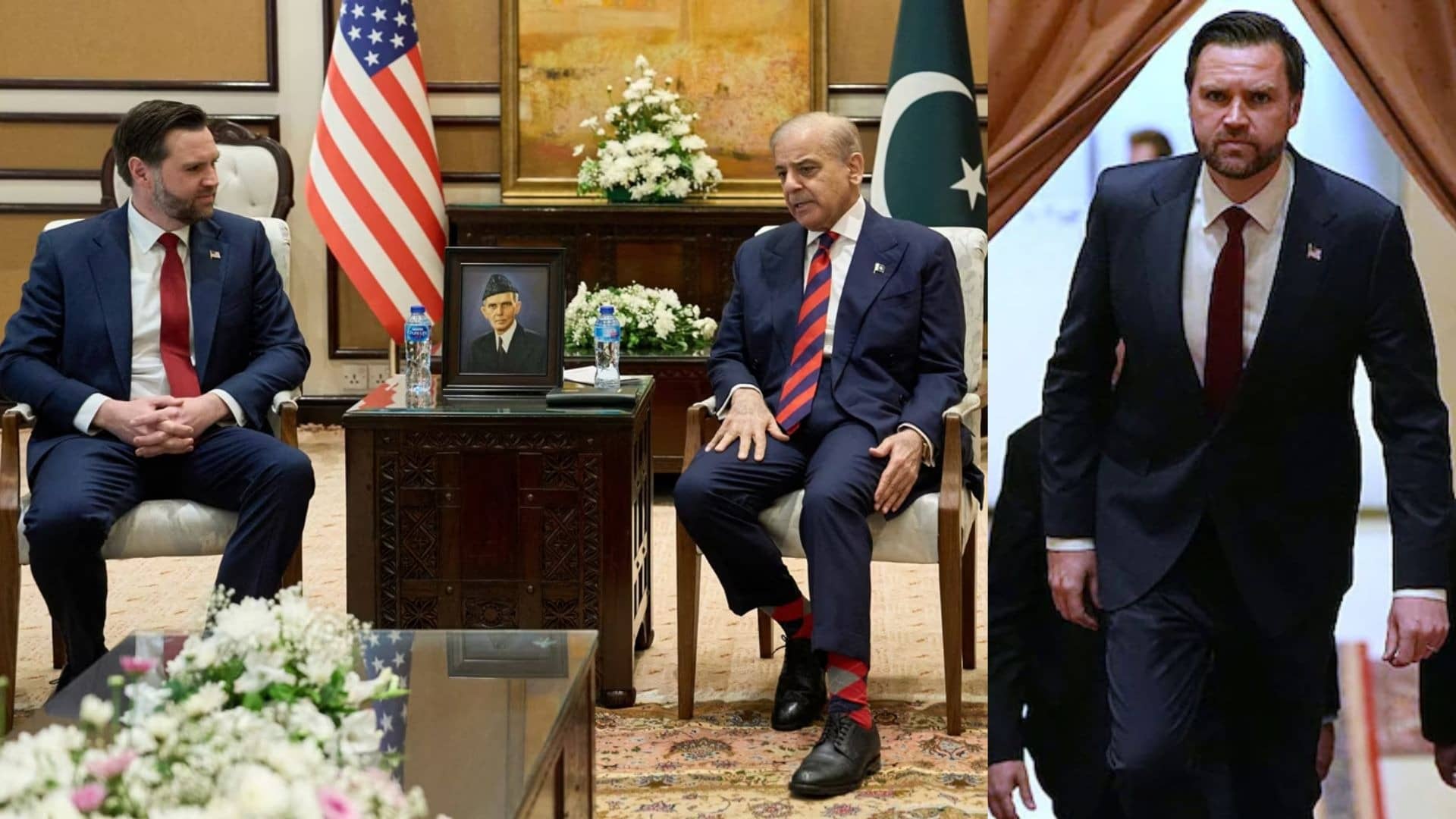
Speaking in a podcast, US Vice President JD Vance answered questions as to why the text of the Memorandum of Understanding (MoU) between Washington and Tehran was not made public immediately after US President Donald Trump announced the interim agreement on June 15.
Let us tell you that after criticism from political opponents and scrutiny from the public, the official text of the agreement was released two days later.
Vance raised questions on Pakistan’s functioning
During the discussion, Vance said that one reason for the delay was differing expectations regarding transparency and public access to official documents. Vance said, “We really wanted to release it. I think one of the reasons for the lack of coordination here is that things like ‘First Amendment’ (First Amendment of the Constitution) and freedom of the press are not fully in place in the Pakistani and Qatari systems.
The ‘First Amendment’ of the US Constitution protects freedom of speech, religion and the press and limits government interference in these areas. Vance argued that government agreements in the US should be available for public scrutiny.
He added, “And so, there is no expectation (in Pakistan) that the text will come out to the American people so that they can actually examine it, look at it, analyze it and understand it for themselves. But it will come out.”
Agreement released after political pressure
The full text of the US-Iran agreement was finally released on Wednesday after criticism from Democratic lawmakers and other experts. Some critics speculated that the administration was hiding information because the deal could have offered Iran major concessions aimed at ending the conflict.
The agreement follows months of tensions that have disrupted global energy markets and shipping routes. Vance’s comments have again drawn attention to Pakistan’s position in international assessments of press freedom.
Pakistan ranks 153rd out of 180 countries in the World Press Freedom Index, reflecting long-standing concerns about restrictions on the media and the challenges faced by journalists. Media rights groups have often highlighted issues impacting journalists and news organizations in the country, such as censorship, intimidation, and legal pressures.