
So far, 13 Indian citizens have died in the Gulf region due to the conflict that has been raging in West Asia since February 2026, while three others are missing. This was confirmed by Ministry of External Affairs (MEA) spokesperson Randhir Jaiswal on Tuesday (July 14). The Government of India is continuously monitoring the situation and is giving top priority to the safety of its citizens.
The conflict began on 28 February 2026, when the US and Israel launched massive airstrikes on Iran. The main objective of these attacks was said to be to weaken Iran’s nuclear program and missile capabilities and to ensure regional stability. The attacks killed several top officials, including Iran’s supreme leader Ali Khamenei.
In retaliation, Iran attacked Israel, American bases and Gulf countries with missiles and drones. Iran controls the Strait of Hormuz, a route for about 20 percent of the world’s oil trade. This affected global energy supplies, increased oil prices and disrupted shipping movements.
Impact on Indian citizens
This conflict was not limited to military confrontation only. This included attacks on commercial ships, damage to oil facilities and instability in regional countries, which directly impacted thousands of Indians who work in Gulf countries (UAE, Oman, Saudi Arabia etc.) or are employed as seafarers on sea routes.
Since February 2026, Indians have suffered losses in different incidents such as drone attacks in Oman, missile attacks in Saudi Arabia and attacks on sea routes. Altogether 13 Indians lost their lives and three are missing.
July incident
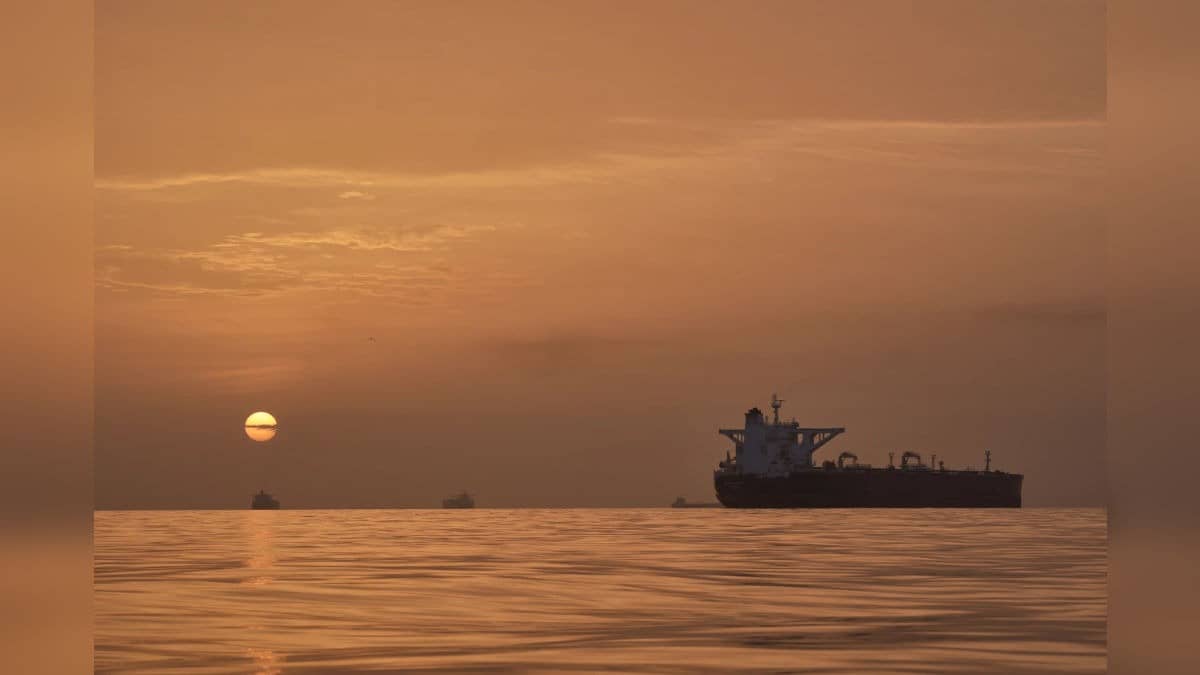
Two ships MT Al Bahiyah and MT Mombasa were attacked in the Strait of Hormuz. These ships had a total of 46 crew, including 30 Indian sailors. An Indian sailor was killed in the attacks, while several others were injured. Nine Indians were injured on one ship, the condition of two of whom was said to be critical. These attacks targeted commercial ships, raising questions about the security of international sea routes.
Indian government’s response
The Ministry of External Affairs has adopted a strict stance on this entire matter. Spokesperson Randhir Jaiswal said, “We are closely monitoring the developments in West Asia. We will continue to demand the flow of safe and unimpeded navigation through the Strait of Hormuz. This is important for the economic and energy security of people around the world.”
India summoned Iran’s Deputy Ambassador and lodged a strong protest and strongly condemned the attacks. The MEA said one Indian died and several were injured. India demanded an immediate stop to these attacks.
MEA clarified that targeting of commercial ships and civilian infrastructure must stop. Free and safe navigation should be restored as soon as possible. Both sides should adopt the path of dialogue and diplomacy so that peace and stability is maintained in the region.
Also read: Despite pressure from Donald Trump, Iran occupies the Strait of Hormuz, why is it so difficult for America to open this waterway completely?