
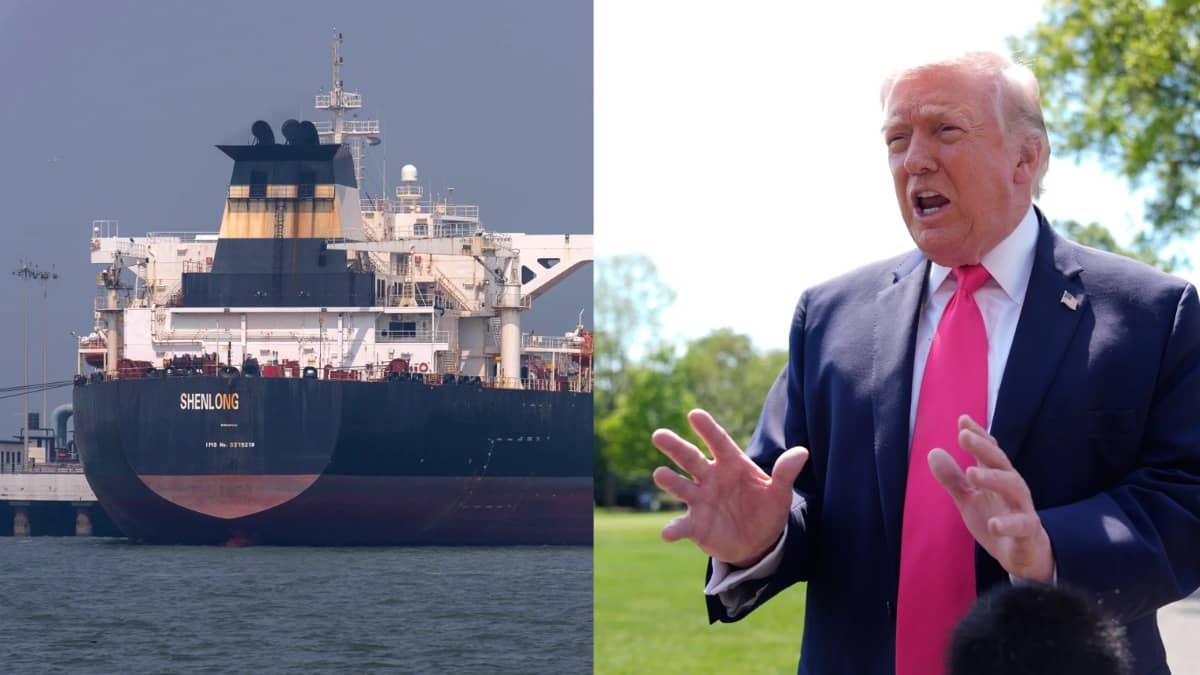
According to a US media report, despite repeated opposition from Washington, Iran and Oman are moving ahead with a plan to collect transit fees from ships passing through the Strait of Hormuz. If that happens, decades of free movement through one of the world’s busiest oil shipping routes would end.
आपको बता दें कि यह विचार अचानक नहीं आया है। Earlier this year, Iran nearly closed off transit through the strait during the latest conflict, sending global energy markets into turmoil and sending prices soaring. Since then, Iranian officials have not hidden their desire to make this waterway a source of revenue.
According to the report, Oman has already sent a written proposal to the US and other Western governments, detailing a system under which shipping companies would pay a fee to use the strait. A US policy source said US officials have seen the document and plan to raise their objections directly with Muscat.
The question of who will control Hormuz going forward remains one of the most difficult issues in broader US-Iran peace talks. A diplomat in the region says Oman’s proposed model is largely based on the way the Straits of Malacca and Singapore operate, where a private entity collects voluntary donations for maritime security programs, rather than charging ships directly.
Iran’s Deputy Foreign Minister Kazem Gharibabadi said on Monday that Tehran’s priority right now was to reach a joint agreement with Oman on the management of the strait. But he also warned, as reported by Iranian state TV, that if Oman does not cooperate on the bilateral agreement, Iran will take immediate action.
Oman has long played the role of peacemaker between Washington and Tehran and has tried to remain neutral despite rising tensions. The task of maintaining this balance became more difficult in May, when reports emerged that Oman was considering a toll-sharing agreement with Iran, prompting Trump to threaten Oman with military action if it did not “behave like all the other countries.”
Just last week, he rejected the entire idea of charging fees for passage through Hormuz as unacceptable. It is still unclear whether his administration will also accept a voluntary fee structure.