
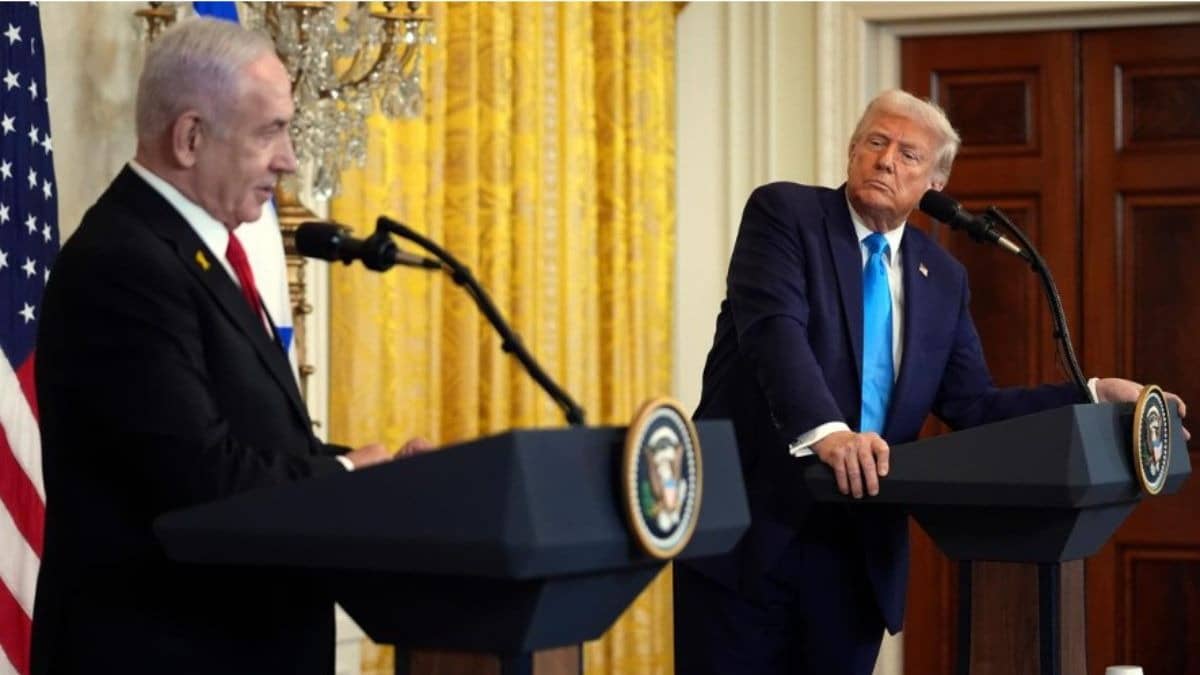
Israeli Prime Minister Benjamin Netanyahu hopes Israel will end its dependence on US military aid within a decade, as his country tries to strengthen its ties with Gulf countries. He said this in an interview broadcast on Sunday.
“I want to reduce American financial aid, that is, the financial part of our military cooperation, to zero,” Netanyahu said. Netanyahu said that Israel receives about $3.8 billion in military aid from America every year. America has agreed to provide a total of $38 billion in military aid to Israel between 2018 and 2028.
But Netanyahu said that perhaps this is the right time to reset the US-Israel financial relationship. He said, “I don’t want to wait for the next Congress. I want to start right now.”
There has long been bipartisan support for military aid to Israel in the US Congress, but this support among lawmakers and the general public has weakened since the war in Gaza broke out in October 2023. According to a Pew survey conducted in March, 60% of American adults do not have a good opinion of Israel, and 59% have little or no confidence in Netanyahu to get the right move on world affairs. Both these figures are seven percentage points more than last year.
Netanyahu said the decline in support for Israel in the United States is “almost 100% directly related to the rapid rise of social media.” He said that many countries, which he did not name, have “fundamentally misused social media in a way that has caused great harm to us,” although he himself does not believe in censorship.
No time limit in Iran case
Support for US President Donald Trump, a close ally of Netanyahu, has also declined since the US and Israel launched a war against Iran on February 28. Due to this war, petrol prices have increased, due to which inflation in America on an annual basis increased in March to the highest level since May 2023.
A major reason for the increase in fuel prices has been Iran’s obstruction of traffic through the Strait of Hormuz; Typically 20% of the world’s oil passes through this strait. Netanyahu said that Israeli planners realized Iran’s ability to close the strait only after the war began. “It took them a while to understand how big the risk was, which they do now,” he said.