
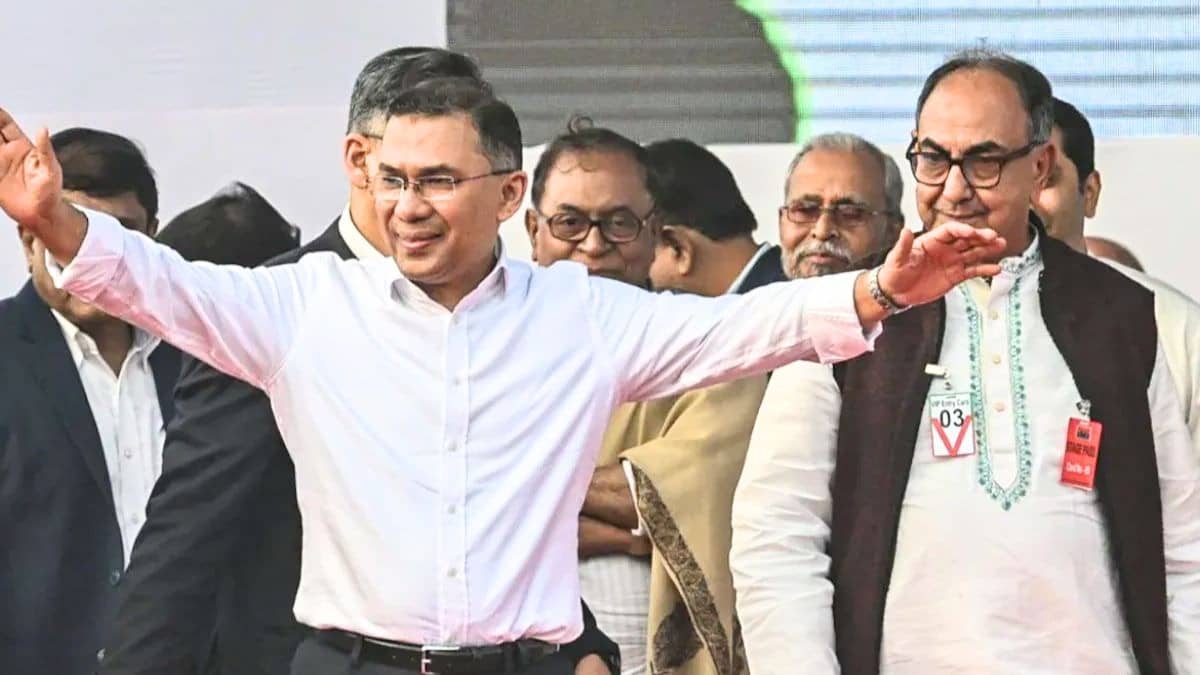
Bangladesh Constitution Rules: After the fall of Sheikh Hasina’s government in Bangladesh, BNP (Bangladesh Nationalist Party) under the leadership of Tariq Rahman got an overwhelming majority in the general elections. Now preparations are going on to form government in Bangladesh. According to the information received, Tariq Rehman will take oath as Prime Minister on February 17. Due to the dissolution of the previous government of Bangladesh, there is neither a Parliament nor a Speaker. The Deputy Speaker of the House is currently in jail.
In such a situation, the question arises that how will the oath taking take place and who will administer the oath? According to the Constitution of Bangladesh, the oath of office is administered to the elected members within 3 days after the Official Gazette notification of the election results. The results of the Election Commission are not considered final, a government notification is issued.
Normally the Speaker of Parliament administers the oath, but after the dissolution of Parliament there is no Speaker. The Deputy Speaker is in jail. In such a situation, under Article 148 of the Constitution, the Chief Election Commissioner can administer the oath to the members. The President can nominate a person such as the Chief Justice or one of the members of the Election Commissioner to administer the oath. The President here is Mohammad Shahabuddin, whose tenure is till 2028.
PM Modi invited to Tariq’s swearing in
After the oath, the President invites the party with majority to form the government. BNP has more than 200 seats out of 300, which is two-thirds majority. The President administers the oath to the Prime Minister. According to Article 56, the President also administers the oath to the cabinet members. After the oath the government is considered formed. This situation is unusual, but the Constitution has provisions to handle it. Such rules have been followed in political crises in the past also. Indian Prime Minister Narendra Modi has been invited to Tariq Rehman’s swearing-in, which could strengthen bilateral ties.