
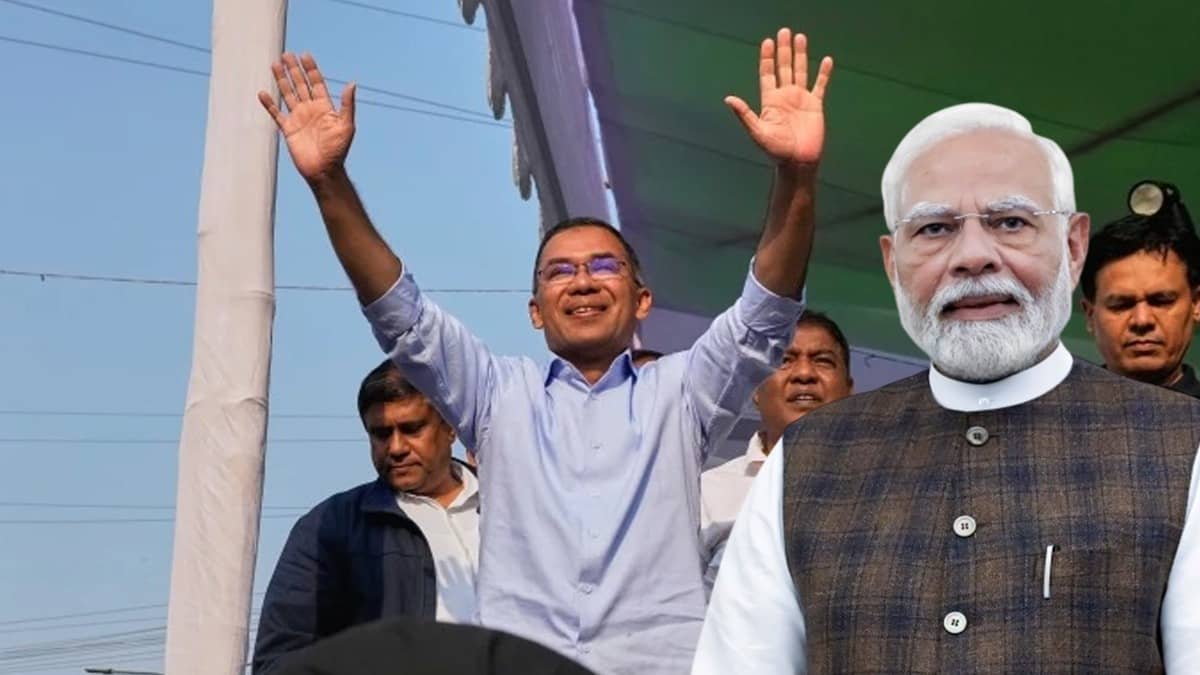
Bangladesh Nationalist Party (BNP) has won an overwhelming majority in the recently held parliamentary elections in Bangladesh. After this historic victory, BNP Chairman Tariq Rehman is going to take oath as the next Prime Minister. According to sources, BNP is planning to specially invite Indian Prime Minister Narendra Modi to this swearing-in ceremony.
In the general elections held on 12 February 2026, BNP and its allies won more than two-thirds majority by winning about 212 out of 299 seats. These elections were the first major elections after the youth movement, due to which Sheikh Hasina, who was in power for a long time, had to flee the country in 2024.
Prime Minister Narendra Modi had congratulated Tariq Rehman after his victory. The BNP expressed its gratitude to Prime Minister Modi for the congratulatory message sent to Rahman and said the party was keen to build good relations with India. Responding to Prime Minister Modi’s post on
BNP’s foreign policy advisor Humayun Kabir said while talking to Indian media that there are plans to invite Prime Minister Narendra Modi to the swearing-in ceremony. He saw this as a good wish and a gesture of goodwill. Sources say that this step can be important towards giving a new direction to the relations between Bangladesh and India. Preparations are underway to invite other prominent leaders of neighboring countries to the oath ceremony.
Tariq Rehman is the son of former Prime Minister Khaleda Zia. He led the BNP from exile for many years. He returned to Bangladesh just before the 2026 elections. Under his leadership, BNP registered a decisive victory in the elections. The victory marks a major change in the politics of Bangladesh, where the Awami League had previously dominated for a long time. Tariq Rehman is now going to take oath as the Prime Minister, and his swearing-in ceremony will be organized in a grand manner.
The elections held on 12 February 2026 are important in the history of Bangladesh. This election took place after the 2024 youth movement, in which Sheikh Hasina had to leave the country. The interim government then led by Muhammad Yunus began the process of reforms, including a referendum on constitutional changes. The BNP victory brings to an end the tenure of the interim government, and the newly elected government will take over.