
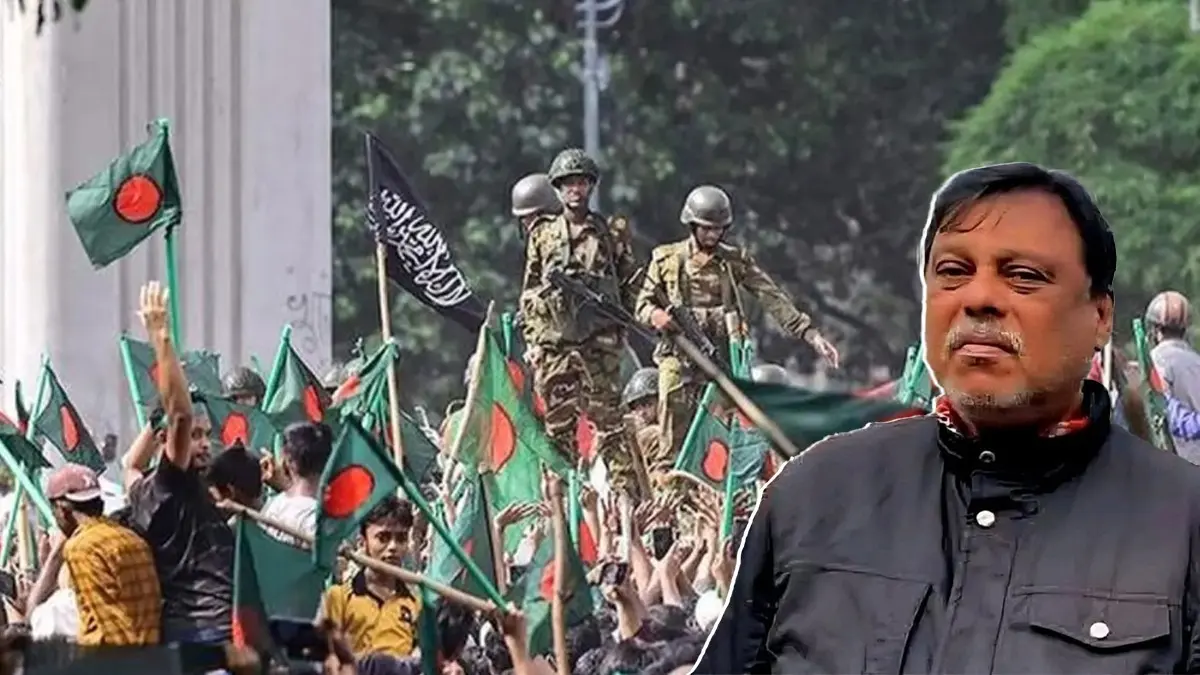
BNP leader Mohibuzzaman Kochi dies after clash. Image:Republic
High-stakes elections continued in Bangladesh on Thursday. During this period, incidents of violence took place at many polling stations, in which a political leader died at the polling station.
According to reports, 55-year-old Bangladesh Nationalist Party leader Mohibuzzaman Kochi died at Aliya Madrasa polling station in Khulna district amid the ongoing unrest.
How did the BNP worker die?
Yusuf Harun Majnu, former BNP Organizing Secretary of Khulna Sadar police station, alleged that tension was increasing in the center since morning. He claimed that the principal of Aliya Madrasa was campaigning for Jamaat when Kochi objected. According to Majnu, the principal pushed Kochi during the fight, causing him to hit a tree and suffer a fatal head injury.
Confirming the incident, Khulna Sadar police station sub-inspector Khan Faisal Rafi, who was in-charge of the centre, said that as tension increased between the two groups, the police intervened and separated them.
3 injured in crude bomb blast
Meanwhile, a crude bomb blast also took place at a polling center in Gopalganj, injuring three people, including two Ansar members and a 13-year-old girl. Additional Superintendent of Police Mohammad Sarwar Hussain said that the blast took place at Reshma International School Polling Center in Neechupara area at around 9:00 am.
The injured have been identified as Ansar members Sukanto Majumdar and Jamal Mollah and Amina Khanum, daughter of Ashraf Ali Mishu of Arambagh area of the city. Police said there were minor injuries in the blast.
Following the incident, police increased security in and around the polling center to prevent further violence. This blast has happened at a time when elections are being closely monitored. Authorities have not yet confirmed who was responsible for the crude bomb attack.
High-stakes vote after political turmoil
This is the first parliamentary election in 2024 after former Prime Minister Sheikh Hasina was ousted following deadly protests. This result is being considered very important to restore political stability and ensure effective governance.
This election is also unique in its dual format. As well as choosing members of parliament, voters are taking part in a referendum on a proposed national charter in July. If ratified, the charter would mandate major constitutional reforms, including creating a bicameral legislature, limits on the prime minister’s term, and constitutional recognition of the 2024 rebellion.
What did Tariq Rehman say?
Bangladesh Nationalist Party, led by Tariq Rahman, has come to the forefront after many years of exile. Rehman has promised that if his party wins a majority, he will introduce what he calls “clean politics” and stay away from alleged corruption and dictatorial methods. He warned that if the voting process is not conducted in a fair manner, then he will not accept the results.
As part of recent political reforms, the 11-party alliance led by Jamaat-e-Islami has also gained momentum after regaining legal recognition. The growth of the alliance has sparked debate among civil society groups and minority communities on issues related to religious tolerance and civil liberties.
BNP is leading a 10-party alliance, while Jamaat-e-Islami is leading a separate 11-party bloc. The National Citizen Party, which led the student protests against the Sheikh Hasina government, is with the Jamaat-led alliance.
Other parties in the fray include Islami Andolan Bangladesh and Jatiya Party. Notably, Sheikh Hasina’s Awami League has been barred from contesting this election, which is a major change in the political environment of Bangladesh.
Also read: No relief for Rajpal Yadav at present, he did not get bail from Delhi HC.