
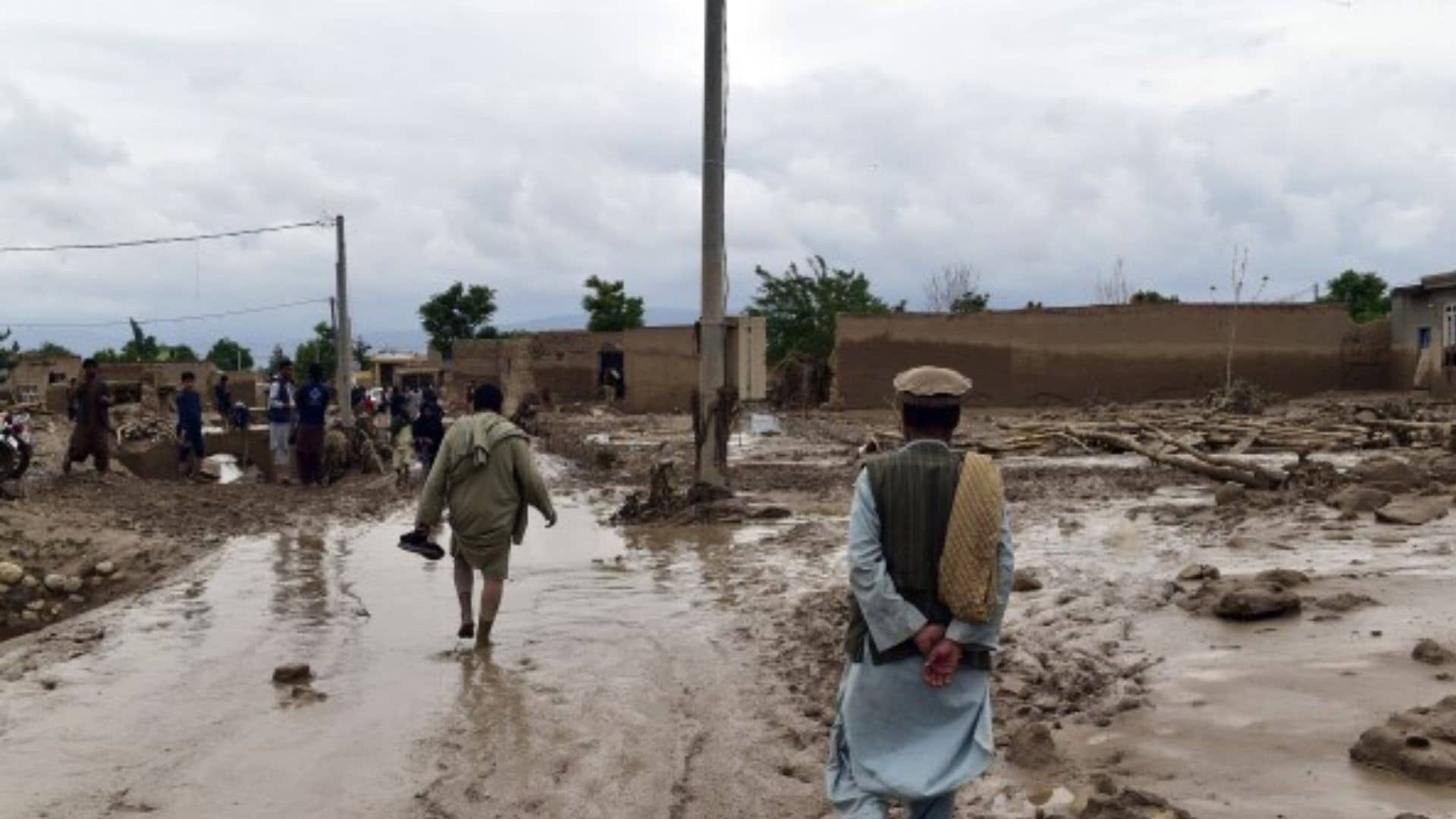
According to the Afghanistan National Disaster Management Authority (ANDMA), 12 people were killed and at least 11 others were injured after heavy snowfall and flash floods hit several provinces of Afghanistan over the past three days. “12 civilians have lost their lives, 11 others are injured, and a total of 274 houses have been completely and 1,558 houses partially destroyed,” said Mohammed Youssef Hamad, spokesman for the Disaster Management Authority.
Economic experts have warned that frequent floods and their consequences not only threaten lives and property, but also impose severe economic pressure on families and local economies. He further said that due to lack of standard infrastructure for water control and flood management, citizens suffer huge losses every year.
Economic analyst Qutbuddin Yaqoob said, “The lack of infrastructure standards in the government system, poor management and lack of effective planning and budgeting make the situation more serious and cause great harm to the people”.
“When floods occur annually in Afghanistan, it severely affects people’s lives and creates economic hardship for citizens,” said Sayer Qureshi, another economic expert, as reported by Tolo News. Further damage is expected due to persistent rain in some provinces, highlighting the urgent need for greater preparedness and immediate assistance for vulnerable communities.
Afghanistan’s humanitarian crisis increases
Earlier, the Norwegian Refugee Council (NRC) warned that Afghanistan’s humanitarian crisis has been exacerbated by mass deportations of Afghan refugees from Iran and Pakistan, prolonged drought conditions and a series of powerful earthquakes in the eastern and northern regions.
The United Nations Office for the Coordination of Humanitarian Affairs (UNOCHA) says Afghanistan remains highly vulnerable to natural disasters, including earthquakes, landslides and seasonal floods. Repeated shocks worsen the situation for communities already reeling from decades of conflict and limited development, leaving them with the least capacity to withstand multiple shocks.